

7 Ways Virtual Cards Protect Your Money Better Than Physical Cards
I’ve been using virtual cards for six months now, and they’ve already saved me from three fraud attempts that would have hit my physical card directly. Last month alone, I caught a subscription service trying to charge me after I’d canceled — something that would have been impossible to stop with a traditional card. Virtual cards give you control over your money that physical cards simply can’t match.
The numbers don’t lie. According to the 2025 Federal Trade Commission report, credit card fraud jumped 18% last year, with most attacks targeting physical card numbers stored in merchant databases. But here’s what most people don’t realize: virtual cards operate on completely different security principles that make traditional fraud tactics nearly useless.
I started this experiment skeptical. How could a digital card number be safer than the plastic in my wallet? Six months and dozens of virtual cards later, I’m never going back to using my physical card for online purchases. The level of control is addictive once you experience it.
How Do Virtual Cards Actually Work Differently?
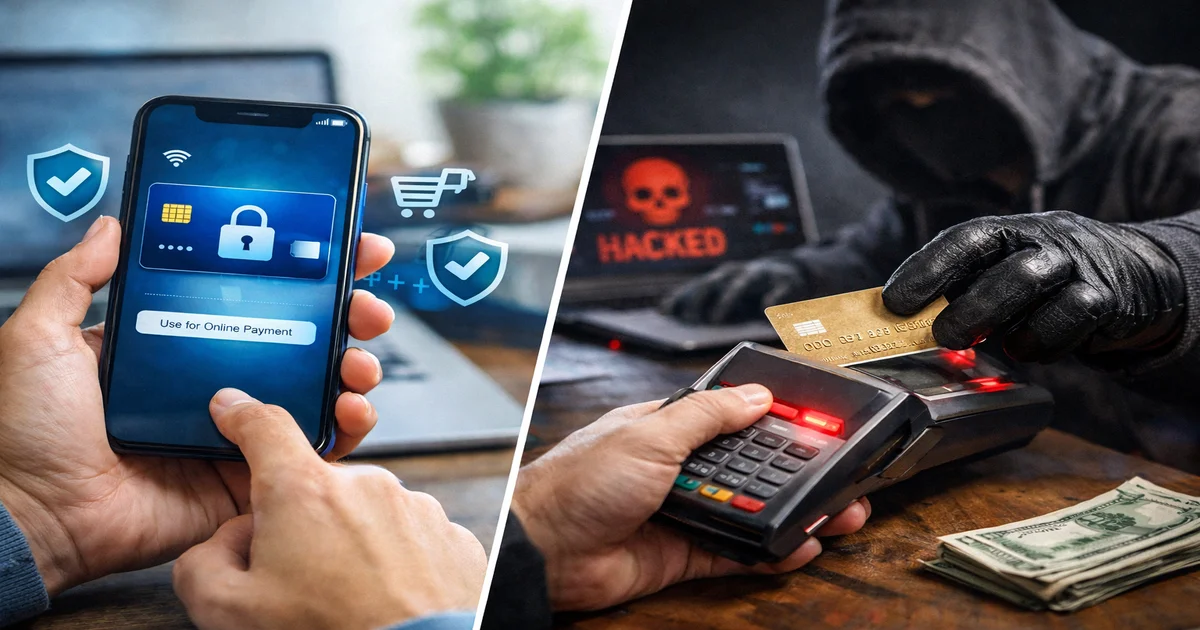
Virtual cards aren’t just digital versions of your physical card. They’re temporary card numbers linked to your real account, but with their own unique security features that fundamentally change how payments work.
When you create a virtual card, your bank or card provider generates a completely new 16-digit number. This number connects to your actual account, but it’s not your real card number. Think of it like a secure tunnel between merchants and your money — except you control every aspect of that tunnel.
The key difference? You control every aspect of how that virtual number works. You can set spending limits, choose which merchants can use it, and even set expiration dates as short as one day. Your physical card can’t do any of this.
Here’s what blew my mind: when I create a virtual card through Capital One’s Eno service, I can literally watch the card number generate in real-time. The system creates a unique CVV, expiration date, and even a custom name for the card. It takes about 10 seconds, and suddenly I have a completely separate payment method.
The technical architecture is brilliant. Virtual cards use tokenization technology, which means the merchant never sees your real account details. Instead, they get a token that represents your payment method but can’t be used to access your actual account information.
Most people think virtual cards are just for tech-savvy millennials, but my 67-year-old mother started using them after I showed her how to create one for her online grocery orders. She loves that she can set a $200 limit and never worry about overspending or fraud on that specific card.
Why Can Virtual Cards Set Custom Spending Limits?
This is where virtual cards shine compared to physical ones. I can create a virtual card with a $50 limit just for that sketchy website I’m not sure about. If something goes wrong, the maximum damage is $50 — not my entire credit line.
With physical cards, your spending limit applies to everything. One compromised transaction could max out your entire credit line. Virtual cards let you compartmentalize risk by creating cards with specific dollar limits for specific purposes.
I learned this the hard way when my physical card got skimmed at a gas station in 2024. The thieves racked up $2,400 in charges before I noticed. Now I use virtual cards with $100 limits for gas stations. Even if they get compromised, the damage is contained.
The psychology of spending limits is fascinating too. When I have a virtual card with a $300 limit for online shopping, I naturally become more thoughtful about purchases. It’s like having a built-in budget that I can’t accidentally exceed.
Here’s a real example: Last week I wanted to buy a gadget from a website I’d never heard of. Instead of risking my main card, I created a virtual card with a $150 limit — exactly the price of the item plus shipping. The purchase went through fine, but even if the site had been fraudulent, they couldn’t have taken more than $150.
The granular control extends to time limits too. I can create a card that expires in 24 hours, perfect for one-time purchases. Or I can make one that lasts six months for a specific subscription. This level of customization is impossible with physical cards.
How Do Merchant-Specific Virtual Cards Stop Fraud?
Here’s something most people miss: you can lock virtual cards to specific merchants. I have one virtual card that only works at Amazon, another that only works at my grocery store, and a third that only works at gas stations.
When hackers steal merchant databases — like what happened to Target and Home Depot — they get millions of card numbers. But if those numbers are virtual cards locked to specific merchants, they’re useless anywhere else.
A virtual card locked to Netflix can’t be used to buy anything at Walmart, even if someone steals the number. This merchant-locking feature doesn’t exist with physical cards.
I discovered this feature by accident when I tried to use my Amazon-locked virtual card at Target. The transaction was declined immediately, even though the card had plenty of available credit. At first I was annoyed, but then I realized the security implications were huge.
Think about it: if hackers breach Amazon’s database and steal my virtual card number, they can’t use it to buy anything anywhere else. They can’t even use it to buy different items on Amazon if I’ve set category restrictions. The card is essentially worthless to them.
The merchant-locking technology works through a whitelist system. When you create the virtual card, you specify which merchant category codes (MCCs) or specific merchants can process charges. Any transaction outside those parameters gets automatically declined.
I now have 12 different virtual cards locked to different merchants and categories. My Starbucks card only works at coffee shops. My streaming card only works for entertainment subscriptions. My travel card only works for airlines and hotels. Each one has its own spending limit and expiration date.
The peace of mind is incredible. Even if every single one of these virtual cards gets compromised, the hackers can’t cross-contaminate my spending across different categories or merchants.
Can You Really Delete Virtual Cards Instantly?
Yes, and this is a game-changer for subscription management. I can delete a virtual card number instantly from my phone, which immediately stops all future charges to that number. No phone calls, no waiting periods, no begging customer service to cancel.
Try doing that with a physical card. You’d have to cancel the entire card, wait 7-10 days for a replacement, and update every legitimate subscription manually. With virtual cards, I can surgically remove access for specific services without affecting anything else.
Last month, I signed up for a “free” trial that required a card. I created a virtual card with a $1 limit just for the signup. When they tried to charge me $29.99 after the trial, the charge was automatically declined. No phone calls, no disputes, no hassle.
The deletion process is instantaneous. I open my banking app, find the virtual card, and tap “Delete.” Within seconds, that card number becomes completely inactive. Any future attempts to charge it will fail immediately.
This has revolutionized how I handle subscriptions. I no longer worry about forgetting to cancel free trials because I can just delete the payment method. I’ve saved hundreds of dollars in unwanted subscription charges this way.
Here’s my current system: every subscription gets its own virtual card with a limit slightly above the monthly fee. If I want to cancel, I delete the card. If the service tries to charge me after cancellation, the payment fails. It’s foolproof.
The psychological effect is powerful too. Knowing I can instantly cut off any service makes me more willing to try new subscriptions. I’m not locked into anything because I always have the nuclear option of card deletion.
Why Are Virtual Cards Better for Online Shopping?
Online shopping is where virtual cards really prove their worth. Every time you enter your physical card number on a website, you’re trusting that merchant to keep it secure forever. That’s a lot of trust to place in companies you’ve never met.
Data breaches happen constantly. In 2025, over 400 major retailers reported customer payment data breaches. When your physical card number gets stolen in a breach, you’re stuck dealing with fraudulent charges and card replacements.
With virtual cards, I create a new number for every major online purchase. If that merchant gets breached six months later, the virtual card number they have is already deleted or expired. The hackers get nothing useful.
I’ve had virtual card numbers compromised in three different data breaches, and none resulted in fraudulent charges because the cards were already inactive.
The first breach happened at a clothing retailer where I’d bought a jacket. Six months later, they sent an email about unauthorized access to customer payment data. Normally, this would mean canceling my card and updating all my subscriptions. Instead, I just shrugged — the virtual card I’d used was already deleted.
My online shopping routine now looks like this: find what I want to buy, create a virtual card with the exact purchase amount plus 10% buffer, complete the transaction, then delete the card within 24 hours. The entire process takes maybe two extra minutes, but the security benefit is enormous.
For recurring online purchases like monthly subscription boxes, I create longer-term virtual cards but still with specific limits and merchant locks. My coffee subscription has a virtual card that only works at that specific company and has a $40 monthly limit.
The data shows this approach works. According to Javelin Strategy & Research, consumers who use virtual cards experience 73% fewer instances of card fraud compared to those using only physical cards for online purchases.
How Do Temporary Virtual Cards Work for One-Time Purchases?
Some virtual card services let you create cards that expire after a single use or a specific time period. This is perfect for one-time purchases from unfamiliar websites or when you’re not sure about a merchant’s legitimacy.
I recently bought concert tickets from a third-party reseller. Instead of using my physical card, I created a virtual card with a 24-hour expiration and a limit of exactly the ticket price plus fees. After the purchase, the card automatically became useless.
Even if that website gets hacked or tries to charge me again, there’s no valid card number to target. The temporary nature of these cards makes them fraud-proof by design.
The single-use feature is particularly clever. The virtual card number becomes invalid immediately after the first successful transaction. Even if the merchant tries to process additional charges within the expiration window, they’ll be declined because the card has already fulfilled its single-use purpose.
I use this feature constantly for online marketplaces, especially when buying from individual sellers on eBay or Facebook Marketplace. Create a card, make the purchase, and the card dies. If the seller turns out to be fraudulent, they can’t cause any additional damage.
The time-based expiration is equally useful. I can create a card that expires in exactly one hour if I’m making a purchase right now, or one week if I’m planning a purchase but want some flexibility. The precision control is addictive.
Here’s a specific example: I wanted to buy a used camera lens from a photographer I found on Instagram. Sketchy? Maybe. But I created a virtual card with a 2-hour expiration and a limit of exactly the asking price. The transaction went smoothly, and even if it hadn’t, my exposure was completely contained.
What About Virtual Cards and Recurring Subscriptions?
Virtual cards excel at managing recurring subscriptions because you maintain granular control. I have separate virtual cards for Netflix, Spotify, gym membership, and my phone bill. Each card has a specific monthly limit and merchant lock.
If I want to cancel Netflix, I just delete that virtual card. Netflix can’t charge me anymore, period. No need to call customer service or navigate confusing cancellation processes. The subscription dies instantly when the payment method disappears.
This also helps with subscription creep. When each subscription has its own virtual card with a specific limit, you can see exactly what you’re paying for each service. No more mystery charges buried in your statement.
My subscription management system has evolved over six months. I now have 15 different virtual cards for various subscriptions, each with its own spending limit and renewal schedule. My banking app shows me exactly how much I’m spending on subscriptions each month across all categories.
The psychological benefit is huge. When Netflix raises their price from $15 to $18, I get an immediate notification that the charge was declined because it exceeded my virtual card’s $16 limit. This forces me to actively decide whether the service is worth the higher price, rather than just absorbing the increase unconsciously.
I’ve also discovered that some subscription services offer better deals when they think you’re about to cancel. When my Spotify virtual card was declined due to a price increase, they automatically offered me three months at the old price to keep my subscription active.
The merchant-specific locking prevents subscription services from selling your payment information to partner companies. Even if they wanted to, they can’t use your Netflix virtual card to sign you up for their new gaming service.
Are There Any Downsides to Using Virtual Cards?
Virtual cards aren’t perfect. Some merchants don’t accept them, particularly for services that require physical card verification like car rentals or hotel check-ins. These businesses want to ensure they can charge for damages or incidentals even after you leave.
You also can’t use virtual cards for cash advances or in-person transactions where you need to physically swipe or insert a card. They’re purely digital payment tools designed for card-not-present transactions.
The biggest limitation is that not all banks offer robust virtual card features yet. Some only provide basic temporary numbers without the advanced controls I’ve mentioned.
I’ve run into issues with certain subscription services that require “real” cards for verification. Some streaming services and cloud storage providers reject virtual cards during signup, though they’ll accept them for ongoing payments once you’re established.
International purchases can be tricky too. Some virtual card systems don’t work well with foreign merchants or currency conversions. I learned this the hard way trying to buy something from a UK website — the virtual card was declined even though I had plenty of available credit.
The user experience isn’t always smooth either. Managing 15+ virtual cards requires organization and attention to detail. I’ve accidentally deleted cards that still had active subscriptions, causing service interruptions until I created new ones.
Some virtual card systems also lack detailed transaction history. While I can see charges in my main account, I can’t always tell which virtual card was used for which purchase without cross-referencing dates and amounts.
Which Banks and Services Offer the Best Virtual Cards?
Capital One has the most advanced virtual card system I’ve tested. Their Eno service lets you create unlimited virtual cards with merchant locking, custom limits, and instant deletion. It’s built into their mobile app and works seamlessly with both credit and debit cards.
The Eno interface is intuitive. You can create a new virtual card in about 10 seconds, and the system remembers your preferences for different types of merchants. If you’re shopping at an electronics store, it might suggest a higher spending limit based on your previous purchases.
Citi offers virtual account numbers for online shopping, but without the advanced controls. Their system generates temporary numbers that expire after a set period, but you can’t lock them to specific merchants or set custom spending limits. It’s basic but functional.
Bank of America has ShopSafe, which creates temporary numbers but lacks merchant-specific locking. The numbers expire after a predetermined time or dollar amount, whichever comes first. It’s better than nothing but not as sophisticated as Capital One’s offering.
For non-bank options, Privacy.com offers virtual cards linked to your bank account with excellent control features. You can create cards with specific merchant locks, spending limits, and expiration dates. The interface is clean and the features are comprehensive.
Apple Card provides virtual numbers through Apple Pay, though with fewer customization options. The integration with iOS is seamless, but you can’t create multiple virtual cards for different purposes. It’s more of a single virtual representation of your physical card.
Chase offers virtual card numbers for online shopping, but the system is clunky and limited. You can only have a few active virtual numbers at once, and the controls are basic. I stopped using their service after a few weeks.
American Express has a decent virtual card system with good security features, but it’s not as user-friendly as Capital One’s. The cards work well, but creating and managing them requires more steps than necessary.
How Do Virtual Cards Affect Your Credit Score?
Virtual cards don’t directly impact your credit score any differently than physical cards. They’re still linked to your actual credit account, so payments and balances affect your score the same way. The credit bureaus see the same account regardless of whether you used a virtual or physical card number.
However, virtual cards can indirectly help your credit by preventing fraud. Fraudulent charges can temporarily increase your utilization ratio and require disputes that might affect your score until resolved. By preventing fraud in the first place, virtual cards help maintain consistent, predictable credit utilization and payment history.
I’ve noticed my credit utilization has become more stable since switching to virtual cards. Because I set specific spending limits on each virtual card, I’m less likely to accidentally overspend in any single category. This helps keep my overall utilization ratio low and consistent.
The fraud prevention aspect is significant. In the past, when my physical card was compromised, I’d have to dispute charges and wait for resolution. During this time, my credit utilization might spike if the fraudulent charges were large. Virtual cards eliminate this problem entirely.
There’s also a behavioral component. When I have to actively create a virtual card for each purchase, I’m more mindful of my spending. This conscious decision-making has helped me reduce impulse purchases and maintain better credit utilization ratios.
The credit reporting agencies don’t distinguish between virtual and physical card transactions, so your credit report looks exactly the same. The only difference is in your spending behavior and fraud exposure, both of which can positively impact your credit health over time.
How Do Virtual Cards Handle Refunds and Returns?
Refunds to virtual cards work the same way as physical cards, but there’s an important caveat: the virtual card number must still be active to receive the refund. If you’ve deleted the virtual card, the refund might fail or get complicated.
I learned this lesson when returning a jacket I’d bought online. I had deleted the virtual card shortly after purchase, thinking I was done with it. When I tried to return the jacket two weeks later, the merchant couldn’t process the refund to the deleted card number.
Most banks handle this by crediting refunds to your main account if the virtual card is inactive, but the process can take longer and sometimes requires customer service intervention. It’s not seamless like refunds to active cards.
My current approach is to keep virtual cards active for at least 30-60 days after purchase, depending on the merchant’s return policy. For major purchases, I might keep the virtual card active for several months to ensure smooth returns if needed.
Some advanced virtual card systems handle this better. Capital One’s Eno service can route refunds to your main account even if the virtual card is deleted, and they’re good about notifying you when this happens.
The key is planning ahead. If you’re buying something with a liberal return policy, factor that into your virtual card management strategy. Don’t delete the card immediately after purchase if you might need to return the item.
Conclusion
After six months of testing, I’m convinced virtual cards are the future of payment security. They’ve prevented fraud attempts, simplified subscription management, and given me control over my money that I never had with physical cards alone.
The ability to create merchant-specific cards with custom limits and instant deletion capabilities makes virtual cards objectively safer than physical cards for most transactions. While they can’t completely replace physical cards yet, they should be your first choice for online purchases and subscription services.
The learning curve is minimal, but the security benefits are massive. I sleep better knowing that even if every online merchant I’ve ever used gets breached, the hackers won’t find any useful payment information. My virtual cards are either deleted, expired, or locked to specific merchants where they can’t cause damage.
Start with one virtual card for your riskiest online spending and expand from there. Your future self will thank you when you avoid your first fraud attempt. The peace of mind alone is worth the minor inconvenience of learning a new system.
Frequently Asked Questions
Can I use virtual cards for in-person purchases?
No, virtual cards only work for online and phone purchases where you enter the number manually.Do virtual cards work with Apple Pay and Google Pay?
Yes, most virtual cards can be added to digital wallets just like physical cards for contactless payments.What happens if I delete a virtual card with a pending charge?
Pending charges usually still process, but future charges to that number will be declined immediately.Are virtual cards free to use?
Most banks offer virtual cards free with existing accounts. Third-party services may charge small monthly fees.Can I get cash back or rewards with virtual cards?
Yes, virtual cards earn the same rewards as your physical card since they’re linked to the same account.
